
A lender can put a figure on a house without anyone walking through the front door. An owner may learn this only after a refinance, when they ask what the valuation involved and find that the valuer never came inside, or never attended at all.
The difference comes down to inspection. A desktop assessment, a kerbside assessment and a full inspection valuation can all be signed by a registered valuer, yet they are different products with different levels of certainty, built for different readers.
Four levels of inspection
The Australian Property Institute, the professional body for valuers, sorts the work into four levels according to how much of the property the valuer was permitted to see. Its plain English guide reflects the API Rules of Professional Conduct effective 1 August 2025.
- Comprehensive inspection valuation. The valuer walks through the whole property, inside and out, checks everything that affects the price, and reports how the figure was reached. Of the four, this figure carries the least uncertainty.
- Restricted on-site inspection valuation. The valuer attends, but the parties agree beforehand which parts will not be seen, such as an occupied room in a childcare centre or a secure workplace. The report records what was not inspected.
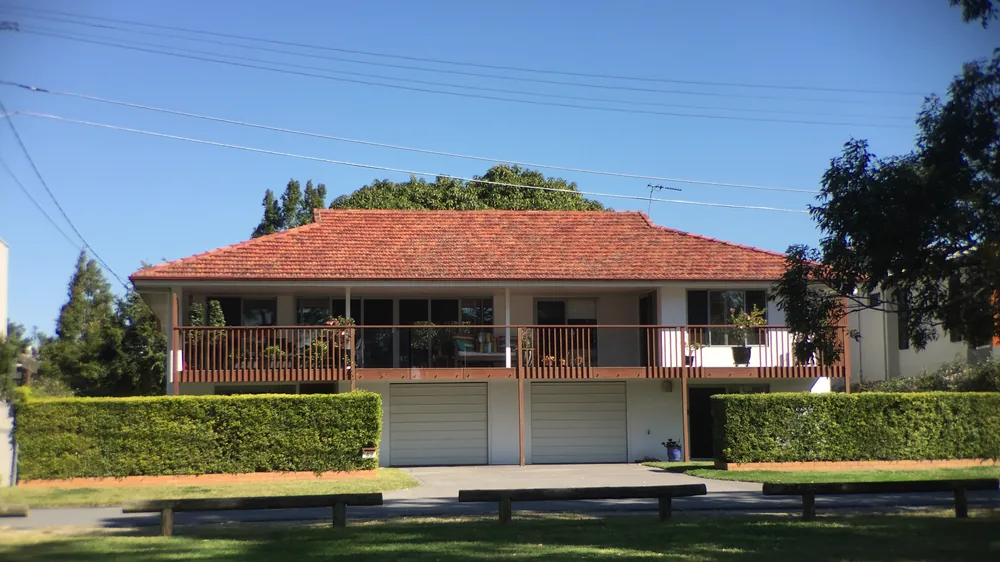
- Kerbside inspection valuation. The valuer looks at the property from the street and does not go inside or onto the land. The report states that only the exterior was seen.
- Desktop report. No visit of any kind. The valuer works only from records and information supplied. Under the API Rules a desktop report can only produce an indicative value and is not an IVS compliant valuation.
As the level of inspection falls, the uncertainty around the figure rises, because the valuer has been able to check less of the property. Where a report is limited in scope, the API Rules require the limitation, and its effect on the value, to be disclosed in the report itself.
Who orders desktop and kerbside reports
Owners rarely order a desktop or kerbside report for themselves. Lenders do. When you apply for a home loan or refinance, the lender orders one of three standard residential products: a short form report on a template overseen by the API, where the valuer inspects inside and out but limits the enquiries and the reporting to what the lender needs; a restricted assessment, which is a kerbside inspection expressed as an indicative value range; or a residential desktop assessment, with no inspection and an indicative figure.
Which product a lender orders, and for which loans, is set by that lender’s own policy, and those settings are internal to each lender. What is consistent is the purpose. These reports exist so the lender can manage its own risk quickly and at low cost. The valuer is instructed by the lender and reports to the lender, and the borrower may not be given a copy. The API’s supporting memorandum for the residential desktop assessment states that neither the valuer nor the lender is to provide a copy to the property owner or borrower. The figure was not prepared for the owner, and it should not be reused for another purpose without the valuer’s agreement. A lending report and a market valuation answer different questions even when the same valuer signs both.
What a desktop or kerbside figure cannot see
A desktop report draws on title, the survey plan, the sales record and whatever photographs or listing details exist. A kerbside inspection adds the street view: the frontage, the roof line, the general state of the exterior and the neighbourhood. Neither one sees the things that most often separate two similar houses in the same street:
- Internal condition and finish. A renovated kitchen and bathrooms, or a home that has not been touched in thirty years, look the same from the footpath.
- Layout and floor area as built. Enclosed verandahs, a converted downstairs, a removed wall or an extension that never reached the plans on file.
- Defects. Cracking, moisture, failing stumps, roof and drainage problems.
- The rear of the block. Slope, retaining walls, a pool, a secondary dwelling, an easement through the yard, and how the land behaves in heavy rain.
Each of those can move a Brisbane valuation, and in a pocket with few recent sales the effect can be larger. The site visit is where these things get measured and recorded. A report that skips it has to assume them, and the assumptions are stated in the report for that reason.
Automated estimates are a separate category
The figures on property websites and apps are automated valuation models. A computer produces a number from sales data and property records, with no valuer involved at any stage. The API places these, along with chatbots and apps offering price estimates, outside valuation advice altogether, alongside an agent’s appraisal. No valuer signs an automated figure or is accountable for it.
A desktop report sits one step above that, because a valuer has applied judgement to the data, but it is often sold under names that blur the line: indicative assessment, remote valuation, virtual inspection, hybrid valuation. Whatever the label, if a valuer prepared it without attending the property, the API treats it as a desktop report.
When a full inspection is the safer choice
Where the figure will be tested by someone else, such as the ATO through an audit, a court, a lawyer, a co-owner or a beneficiary, the API strongly recommends a comprehensive inspection valuation. The common situations:
- Family law. The Federal Circuit and Family Court of Australia (Family Law) Rules 2021 are built around the single expert witness, appointed jointly by the parties or by order of the court. The expert owes a duty to the court, and rule 7.22 sets out what the report must contain. An opinion on a house nobody went inside is a weak footing for evidence both parties and a judge will test, which is why a family law property valuation is prepared on a full inspection.
- Capital gains tax. The ATO’s guide to market valuation for tax purposes leaves the onus for a replicable and defensible valuation with the taxpayer, even where a professional is engaged. It expects the report to state the scope and any limitations, the valuation date and, if applicable, the date the valuer inspected the asset. A capital gains tax valuation built on a full inspection answers each of those points.
- Transfer duty on family and related party transfers. Where a valuation gives a range, the Queensland Revenue Office’s public ruling DA505.1.2 assesses a gift on the highest ascertainable value in that range. Under the Duties Act 2001 (Qld), related party transfers in Queensland are assessed on the unencumbered value of the property or the price paid, whichever is higher.
- Deceased estates and disputes between co-owners. The figure has to be accepted by beneficiaries or co-owners who may not have chosen the valuer, so it has to show its working.
Self-managed super funds are a partial exception. For the annual accounts, the ATO does not require a valuation by a qualified independent valuer and accepts other objective evidence, including agent appraisals, and where an appraisal is the only evidence relied on it should list the comparable sales behind it. The ATO’s guidance to auditors lists agent appraisals and kerbside assessments among acceptable evidence, but says a single item of evidence will generally not be sufficient on its own unless the fund bought the property recently. It recommends a qualified independent valuer where the property is a significant share of the fund or the valuation is likely to be complex, which is where an SMSF property valuation on a full inspection is worth ordering.
What registration does and does not tell you
In Queensland, section 63 of the Valuers Registration Act 1992 (Qld) prohibits a person who is not a registered valuer from holding out as one or carrying on the business of a registered valuer. Registration means the person signing is qualified and answerable to the Valuers Registration Board of Queensland. It does not tell you how much of the property that person saw. A registered valuer can sign a desktop report, and the report is still a desktop report. A properly prepared report states its inspection level, its purpose and its limitations, and they are worth reading before the figure is relied on.
Getting a full inspection report when you need one
A lender’s report is not a substitute for a report prepared for you. If the figure is for tax, the court, a family transfer, an estate or a dispute, order your own valuation and say what it is for at the outset, so the report names the purpose, the date of value and the people entitled to rely on it. If the relevant date has passed, a retrospective valuation is prepared as at that earlier date, and the property is still inspected where access allows.
Every residential valuation the practice prepares starts with a walk through the property. If you are unsure which level of report your situation calls for, the which valuation do you need tool sets out what each purpose requires, or call the practice on 07 3130 0723. Questions about how a valuation feeds into tax or a property settlement belong with your accountant or solicitor.
Common questions
What is a kerbside valuation?
A kerbside valuation is prepared after the valuer looks at the property from the street only, without going inside or onto the land. The report states that only the exterior was seen, and the lender version, the restricted assessment, gives an indicative value range rather than a single figure.
Is a desktop valuation a real valuation?
Under the Australian Property Institute’s Rules of Professional Conduct, a valuation requires a personal physical inspection by the valuer. A desktop report is prepared without any inspection and can only produce an indicative value, and the API Rules state that it is not an IVS compliant valuation.
Can I use my bank’s valuation for tax or family law?
No. A lender’s report is prepared for the lender’s own risk assessment and the lender relies on it. For tax, a court, a family transfer or an estate, order your own valuation and state the purpose so the report is prepared for it.
Does an SMSF need a full inspection valuation every year?
The ATO does not require a valuation by a qualified independent valuer for the annual accounts and accepts other objective evidence. It recommends one where the property is a significant share of the fund or the valuation is likely to be complex.